World Tourism Day was marked on September 27th under the theme “Tourism for Inclusive Growth” with the aim of emphasizing the ability of tourism to drive inclusive development and the role it has in creating opportunities for millions of people around the world.
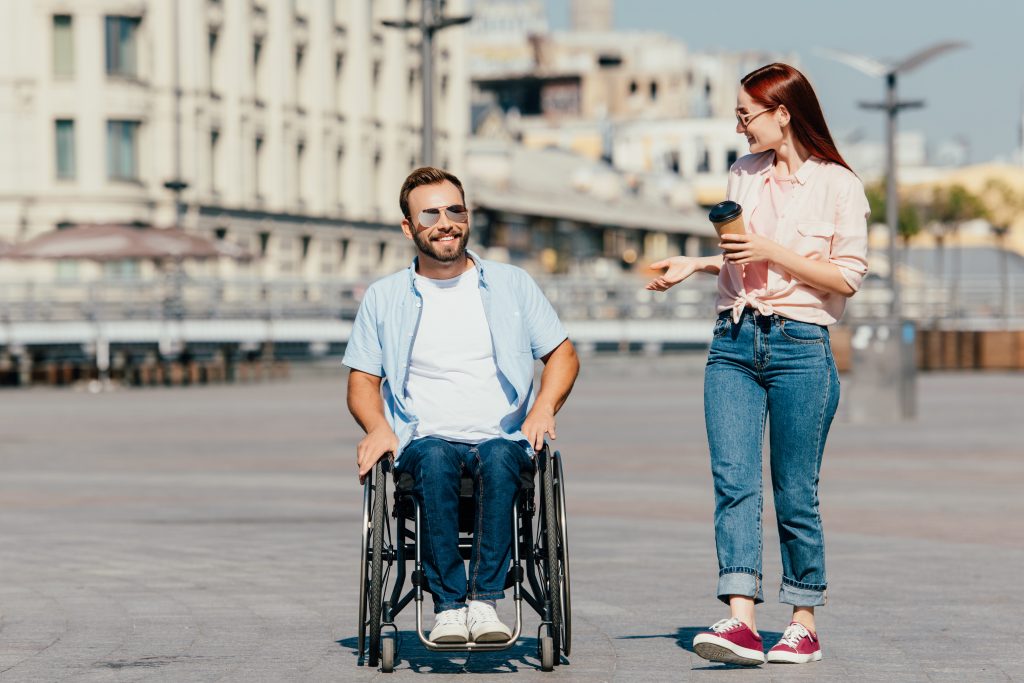
Photo: Depositphotos
Tourism for All
Tourists are motivated to come to a destination based on the attractiveness and deal it offers. Another key motivating factor is how much accessibility and adaptation to a customer’s needs a deal provides.
Even though “tourism for all” is not a new concept, it has come to the foreground in the world and Europe in the last few years considering that there is a growing demand.
It is estimated that 15% of the world’s population (approximately a billion people) live with some form of disability. The BiH Agency for Statistics estimates that there are more than 290,000 citizens who have the status of a disabled person based on data obtained from social services and PiO funds in both entities.
We have observed that disabled individuals can and wish to use touristic services, but they are faced with numerous problems.
Photo: Depositphotos
BiH Insufficiently Adapted to Disabled Individuals
Although BiH is a signatory to the UN Convention on the Rights of Persons with Disabilities, which guarantees equality and access to sports, recreational, and tourist services, it is still not doing enough to improve the mechanisms that would bring tourism closer to this category of visitors.
The fact that tourist organizations in our country do not deal with the issue of disabled individuals enough is wrong, foremost from an economic aspect because we do not use the potential of that target group enough. It is also wrong due to the inhumanity of the issue because our disregard for the disabled community also shows our disinterest, lack of education, ignorance, and disinterest in following global trends.
Tourist organizations in our country have so far had no interest or inquiries about special tourist events for disabled individuals, but this is because we have nothing to offer this group of individuals other than rehabilitation services or spa treatments.
In our country, tourist attractions are mostly inaccessible to people with disabilities, whether they are natural or cultural-historical attractions that have architectural barriers. This has additionally been the case with restaurants and hotels, although there have been continuing advancements in offers by those who have adapted services to this category of visitors.
Apart from the introduction of elevators, the installation of access ramps for wheelchair users, and adapted bathrooms, there has been no other advancement to facilitate access to many places for disabled individuals. Cultural institutions and service facilities that have guides or offers in Braille for the visually impaired are rare. We do not even have tourist guides who know sign language to present offers or take those with hearing impairments on tours.
Due to the inaccessibility of tourist destinations in BiH, one gets the impression that disabled individuals are undesirable guests, but developing accessibility for all touristic facilities, products, and services should be the central focus of responsible and sustainable touristic politics and development in BiH.
Positive Examples
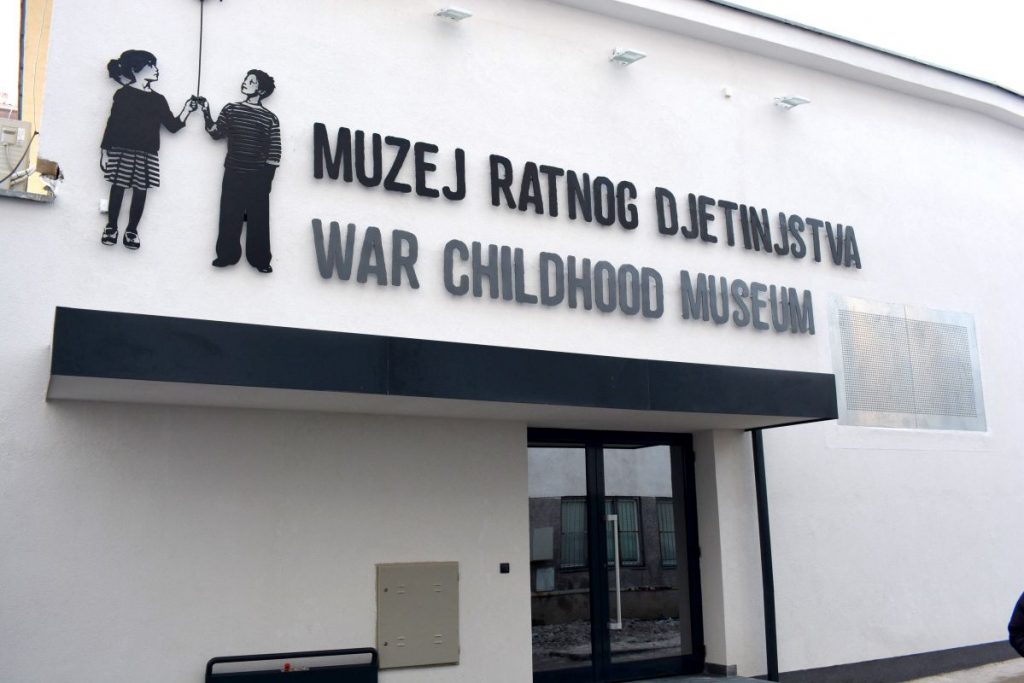
Museums and cultural institutions have worked on the question of developing services for disabled individuals the most.
The Sarajevo Youth Theater is the first theater in BiH that is fully adapted for people with disabilities. It has places accessible for people in wheelchairs as well as recommended places for people with hearing disabilities.
Several museums throughout Bosnia and Herzegovina have made progress in adapting institutions for this category of visitors by introducing tactile exhibits (exhibits that can be felt and touched by the visually impaired), tablets with audio guides, hiring sign language interpreters, and removing architectural barriers. The War Childhood Museum and the History Museum in Sarajevo, the City Museum in Zenica, the Herzegovina Museum in Trebinje, and the Museum of Republic of Srpska in Banja Luka have worked on such adaptations the most.
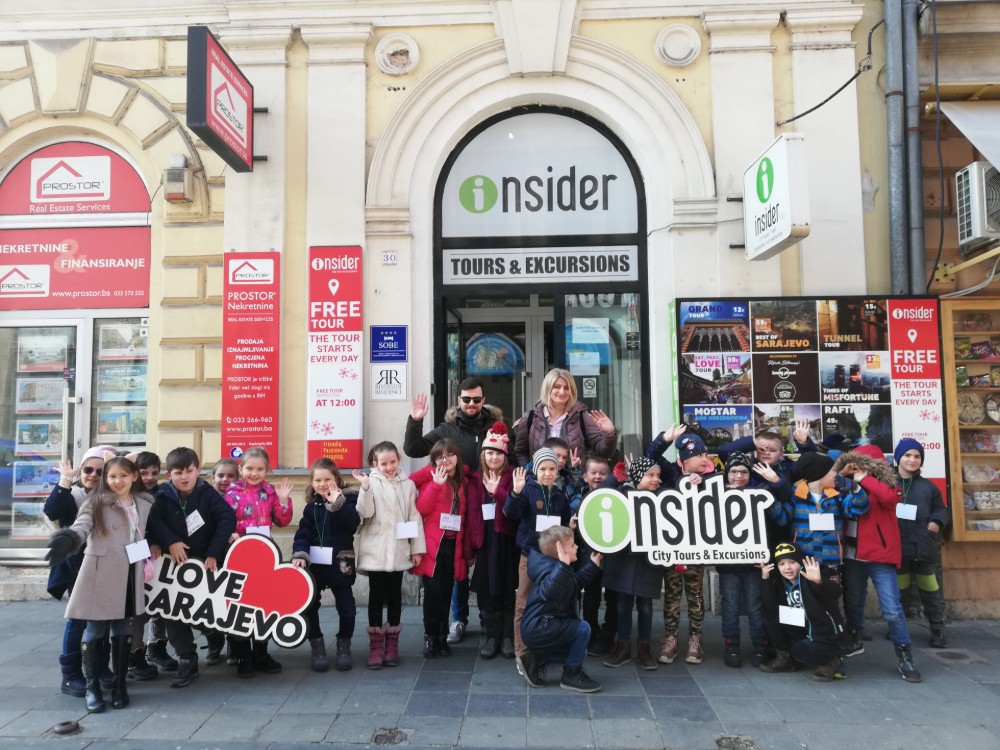
The project Mali ambasadori Sarajeva, which was launched in 2019 by the association of the same name in cooperation with the travel agency Insider, is also commendable. It is a project that includes free walking tours for children. They have organized tours for children with Down syndrome several times, which demonstrates that the association wanted to show that all children have the right to adequate accommodation.
During this year, a cafe by the name of “Kutak sreće” was opened in Široki Brijeg, which is staffed by individuals with developmental disabilities and purposefully adapted to the needs of the Association of People with Disabilities ZHK.
“This is an opportunity to look beyond tourism statistics and acknowledge that there is a person behind each number.”
Zurab Pololikashvili, general secretary of the World Tourism Organization (UNWTO)